← Back to CIAL Updates
CENTRAL MINDANAO COLLEGES · NEWS & EVENTS
𝗖𝗠𝗖 𝗦𝘂𝗰𝗰𝗲𝘀𝘀𝗳𝘂𝗹𝗹𝘆 𝗖𝗼𝗻𝗱𝘂𝗰𝘁𝗲𝗱 𝗠𝗕𝗔 𝗙𝗶𝗲𝗹𝗱-𝗕𝗮𝘀𝗲𝗱 𝗘𝘅𝗽𝗲𝗿𝗶𝗲𝗻𝘁𝗶𝗮𝗹 𝗟𝗲𝗮𝗿𝗻𝗶𝗻𝗴 𝗧𝗿𝗶𝗽 𝘁𝗼 𝗖𝗲𝗯𝘂
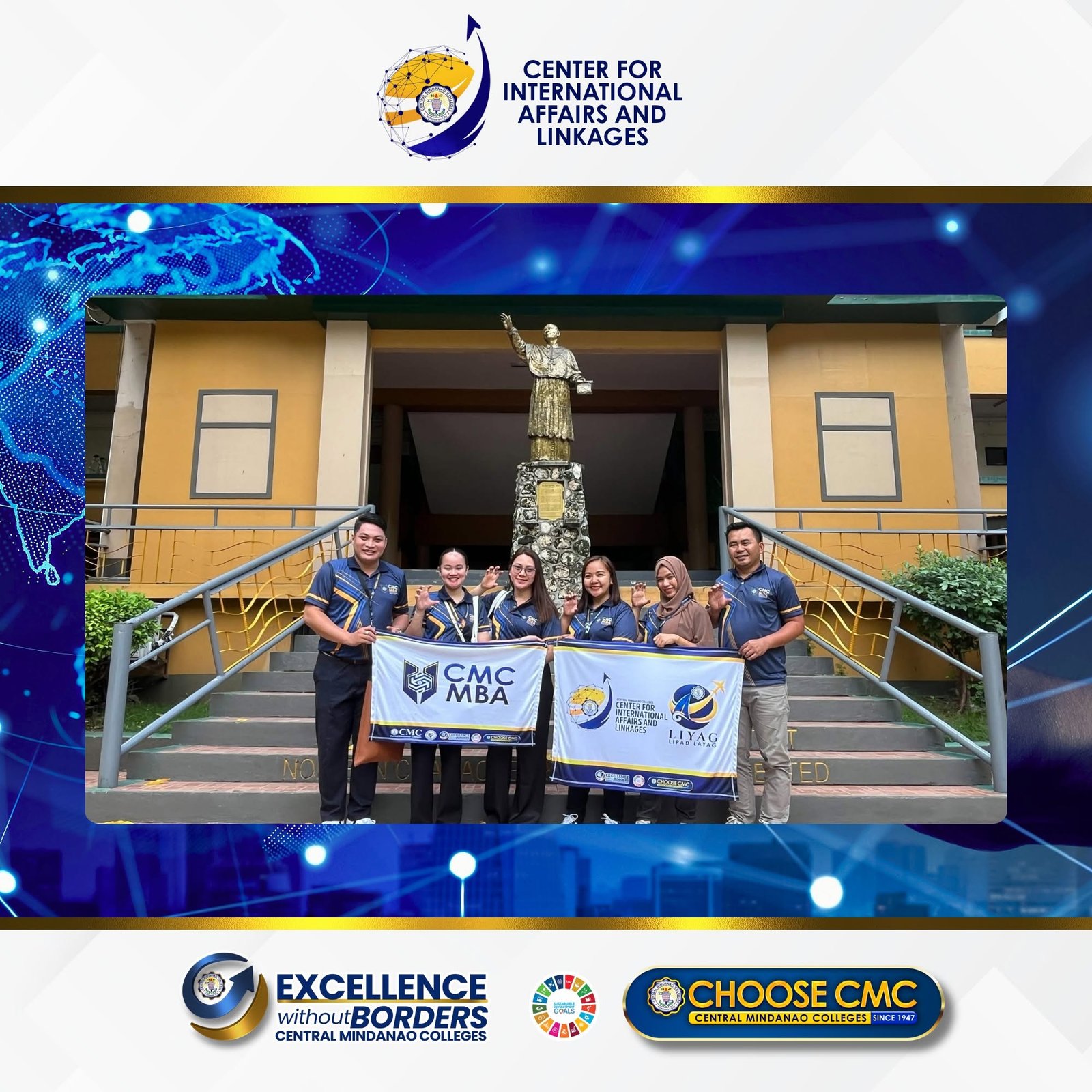
Central Mindanao Colleges (CMC), through the Center for International Affairs and Linkages (CIAL), successfully conducted the Field-Based Experiential Learning (FBEL) Local Educational Trip to Cebu City from October 13 to 15, 2026, under the institution’s LIYAG (Lipad + Layag) Banner Program. The three-day educational engagement provided Master in Business Administration (MBA) students with opportunities to connect classroom learning with actual industry practices, higher education experiences, and Cebu’s rich historical and cultural heritage.
The educational trip began with visits to significant historical and cultural landmarks in Cebu City, including the Cebu Heritage Monument, Casa Gorordo, Fort San Pedro, Magellan’s Cross, the Basilica Minore del Santo Niño, and the National Museum of the Philippines. These destinations gave the delegates a deeper appreciation of Cebu’s historical development, cultural identity, religious traditions, and heritage preservation.
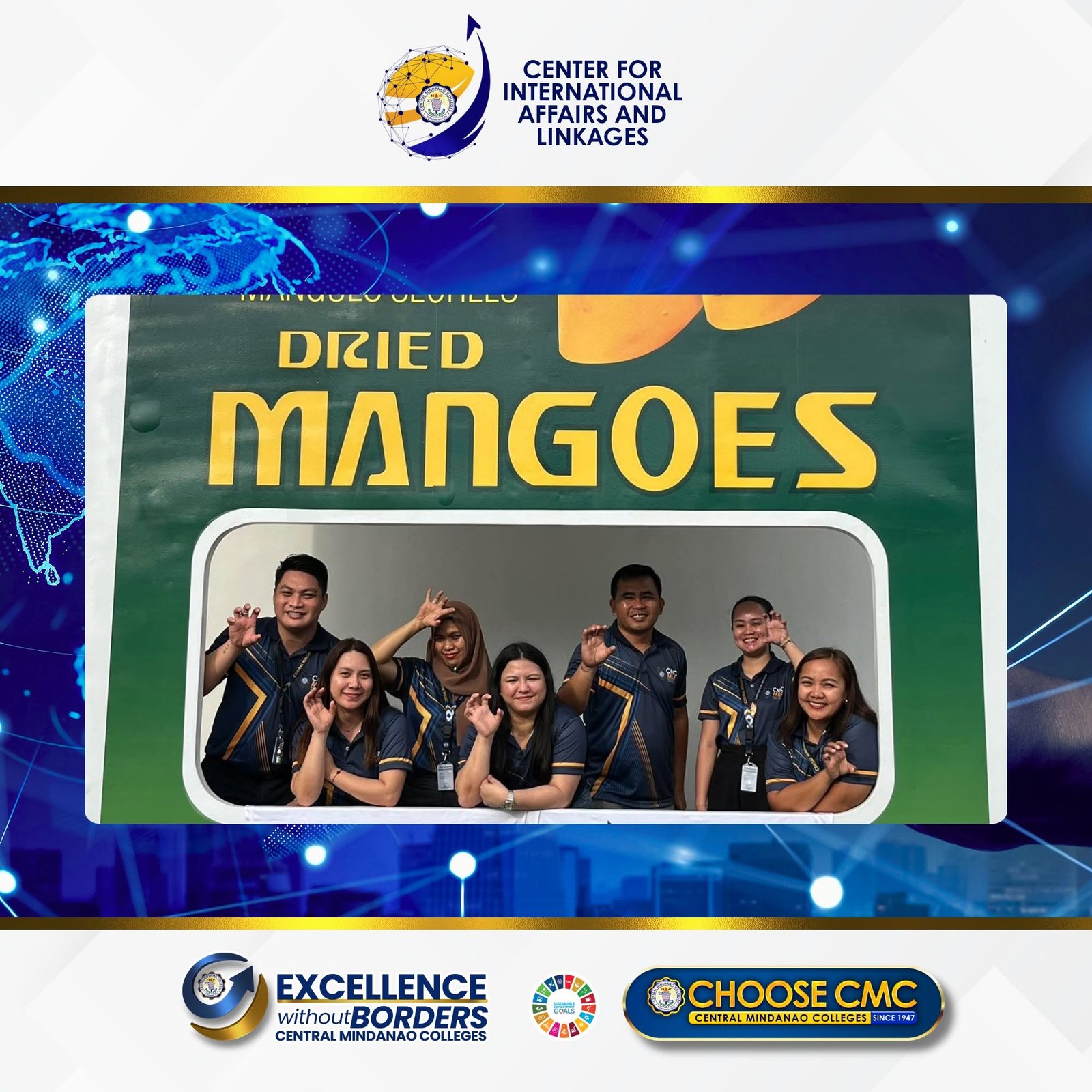
One of the major highlights was the ocular visit to Proffoods International Corporation, where the MBA students gained insights into large-scale food manufacturing operations, particularly mango processing. The visit focused on production processes, quality control, supply chain management, and business operations in the food manufacturing industry. This industry exposure allowed the delegates to relate management concepts to actual business practices and operational processes.
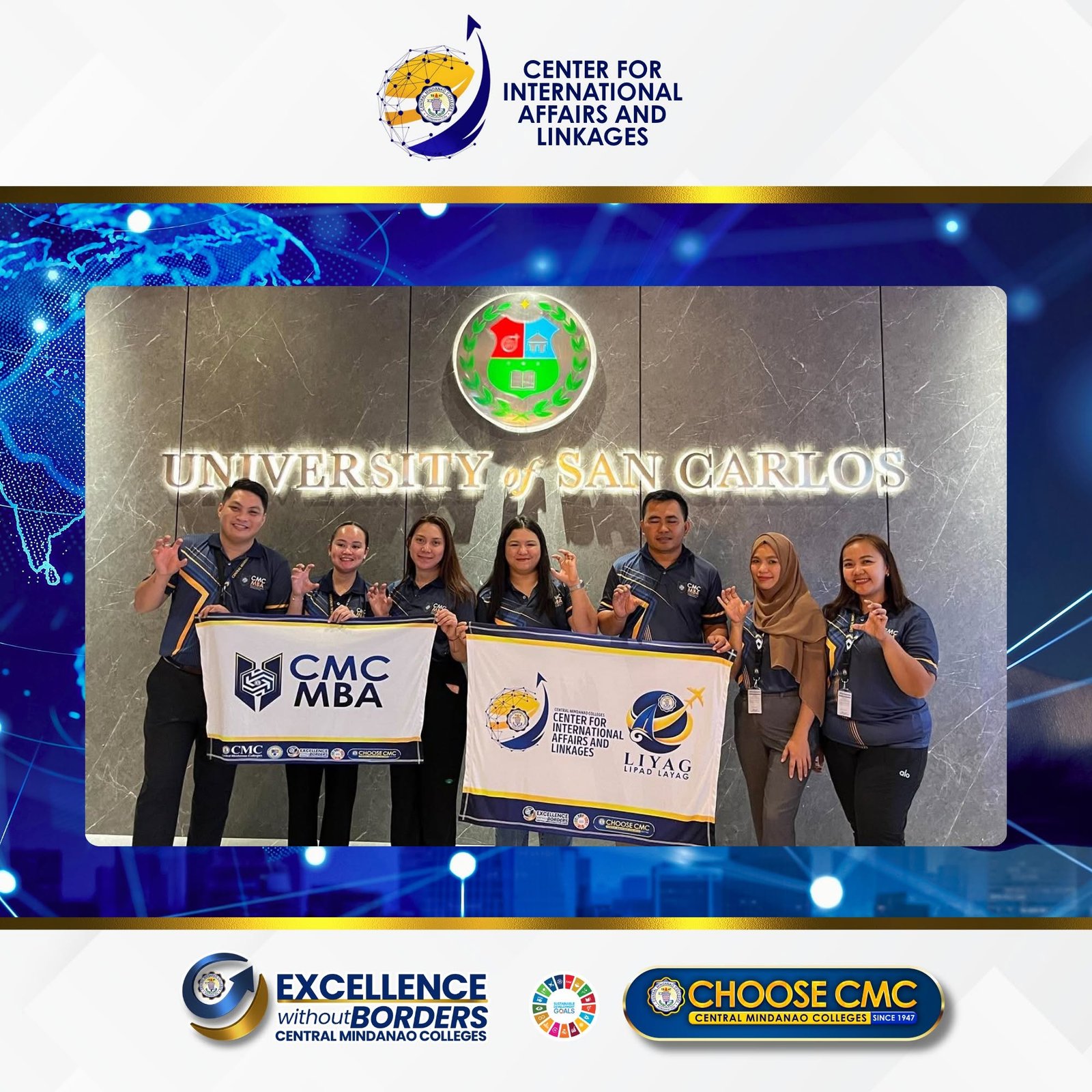
The delegation also visited the University of San Carlos (USC) Main Campus, where the students gained exposure to the university’s academic environment, facilities, tourism-related programs, and cultural heritage. The visit provided an opportunity to appreciate the role of higher education institutions in promoting academic development, professional learning, and cultural understanding.
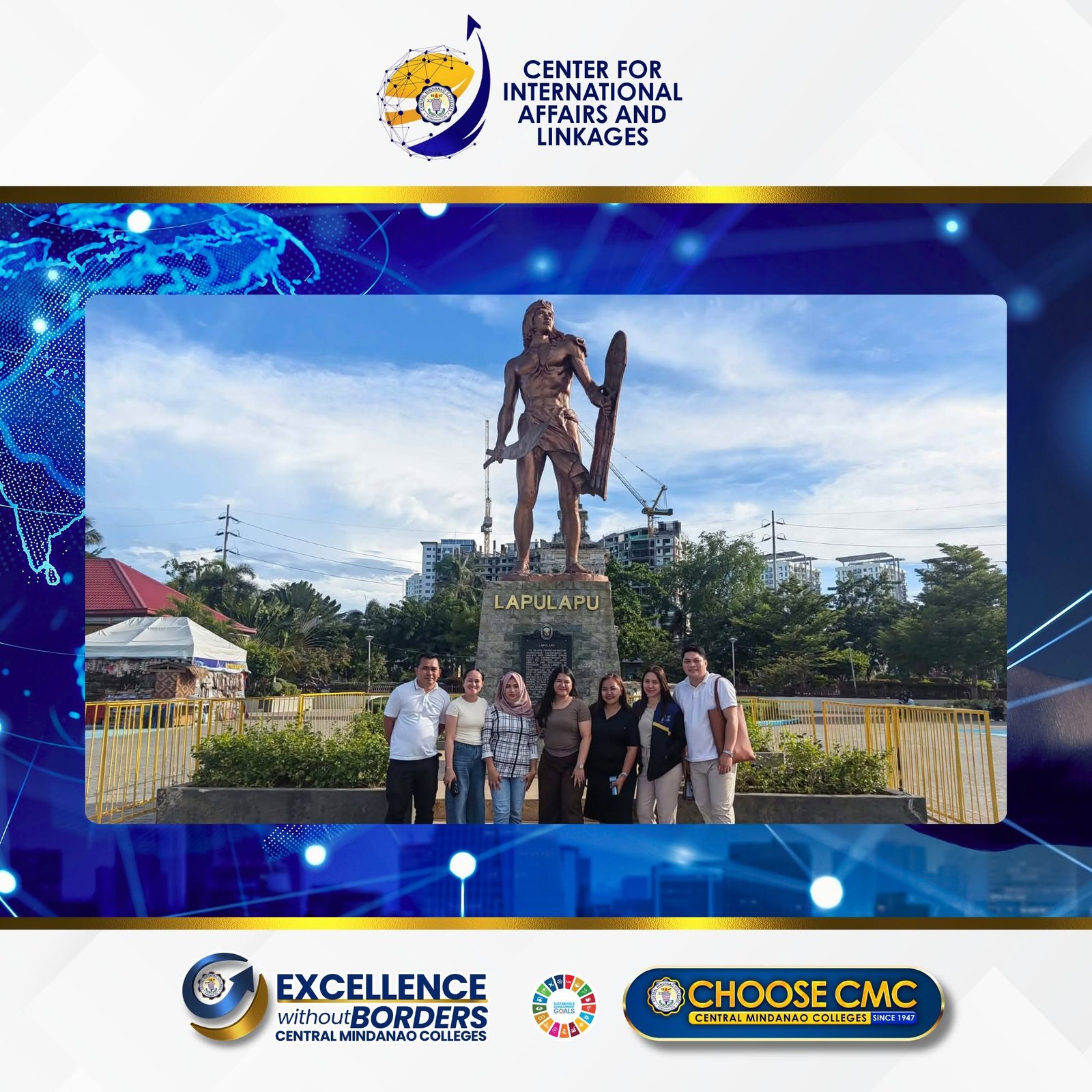
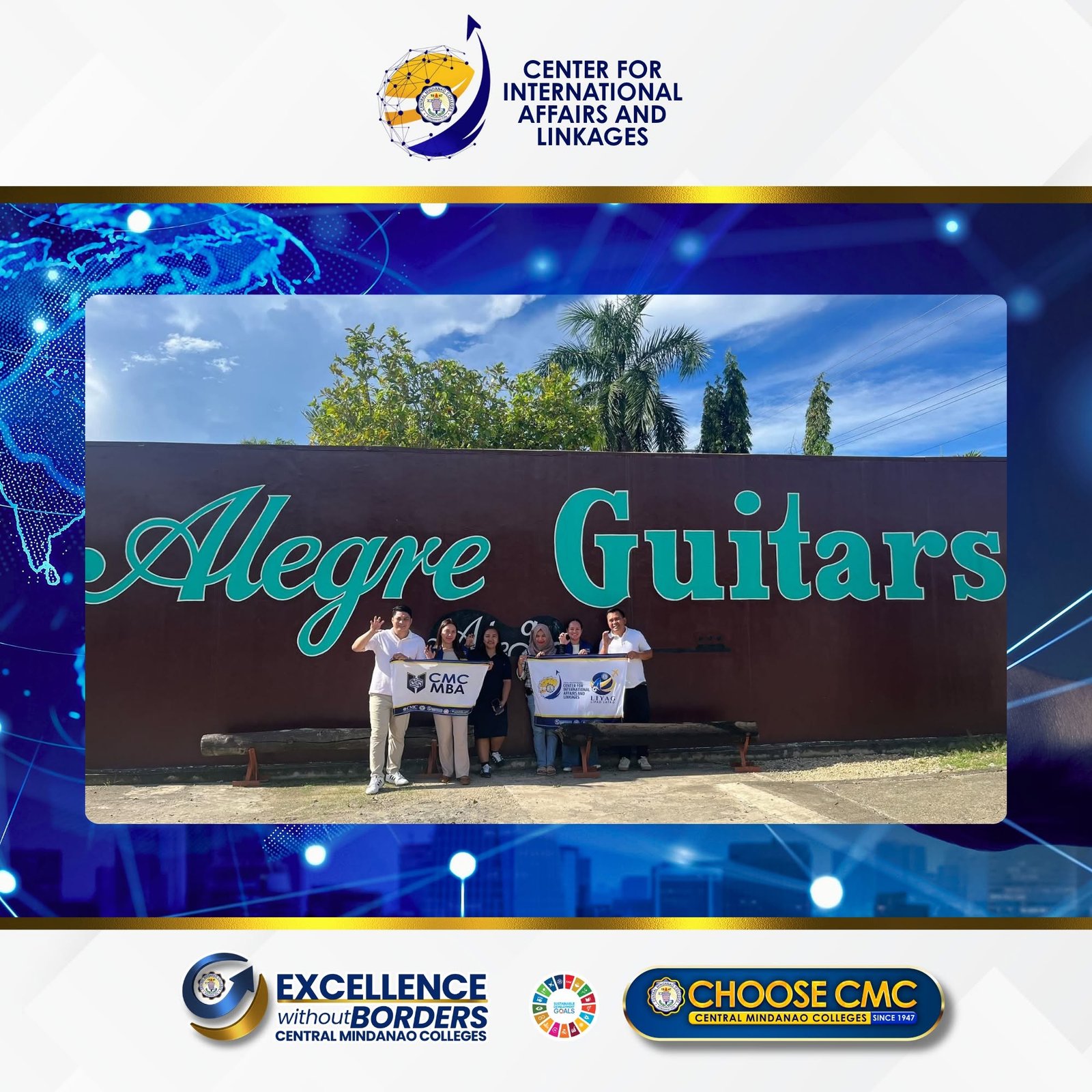
The educational journey concluded with a Mactan City Tour, which featured notable destinations such as the Mactan Shrine, Lapu-Lapu Monument, Alegre Guitar, and local souvenir shops. Through these visits, the delegates explored Cebu’s historical significance, local craftsmanship, and tourism-related enterprises, gaining further appreciation of the connections among cultural heritage, entrepreneurship, tourism, and local economic development.
Throughout the trip, the MBA students experienced learning opportunities that extended beyond conventional classroom instruction. Their exposure to industry operations, higher education facilities, and cultural destinations broadened their perspectives and strengthened their understanding of how management principles could be applied in different professional and community settings.
The successful completion of the educational trip reflected CMC’s commitment to enriching academic learning through meaningful field-based experiences. Through the LIYAG Banner Program, CIAL supported initiatives that connected academic knowledge with practical exposure, encouraged institutional engagement, and helped prepare students for their future professional responsibilities.
The activity also contributed to Sustainable Development Goal (SDG) 4: Quality Education by providing experiential learning opportunities, SDG 8: Decent Work and Economic Growth through industry exposure and business learning, and SDG 11: Sustainable Cities and Communities through the appreciation of cultural heritage and its preservation.
Central Mindanao Colleges continued to advance its commitment to quality education by providing opportunities for students to learn from real-world experiences, broaden their professional perspectives, and develop into responsible and competent future business leaders.
#CentralMindanaoColleges #CIAL #LIYAGBannerProgram #FBEL #MBA #CebuEducationalTrip #ExperientialLearning #IndustryExposure #SDG4 #SDG8 #SDG11
Story highlights
Select a photo to view it in full size.
Related Sustainable Development Goals


