📰 Latest News Updates
From Mountains and Rivers to the Human Spirit: Theater as Cultural Immersion
The first sound was not applause. It was
the steady call of drums, ancient and deliberate, reminding the body that
before theater becomes art, it is ritual, memory, and land made visible.
LIJIANG,
YUNNAN, CHINA | December 26, 2025 — The educational theater immersion and
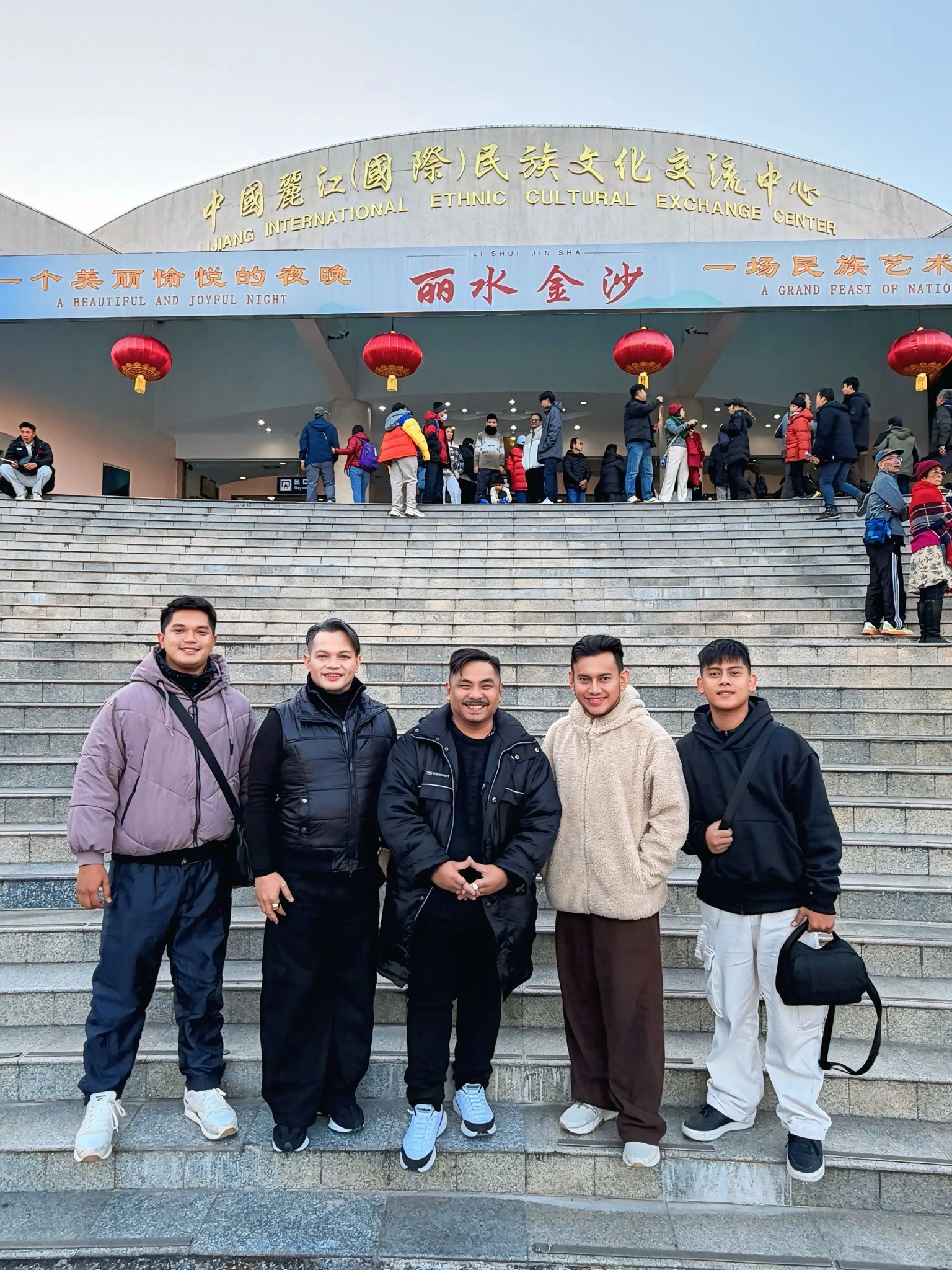
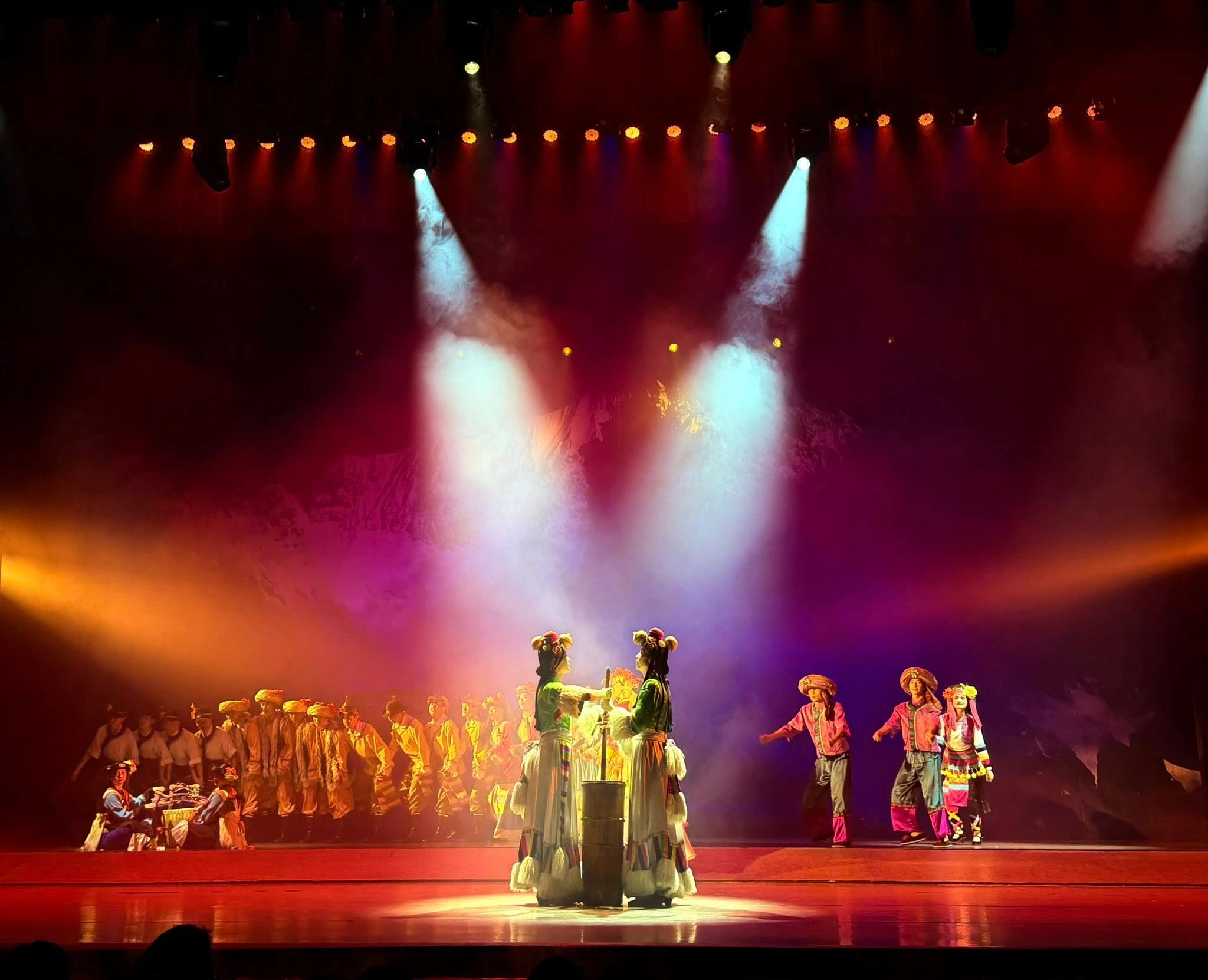
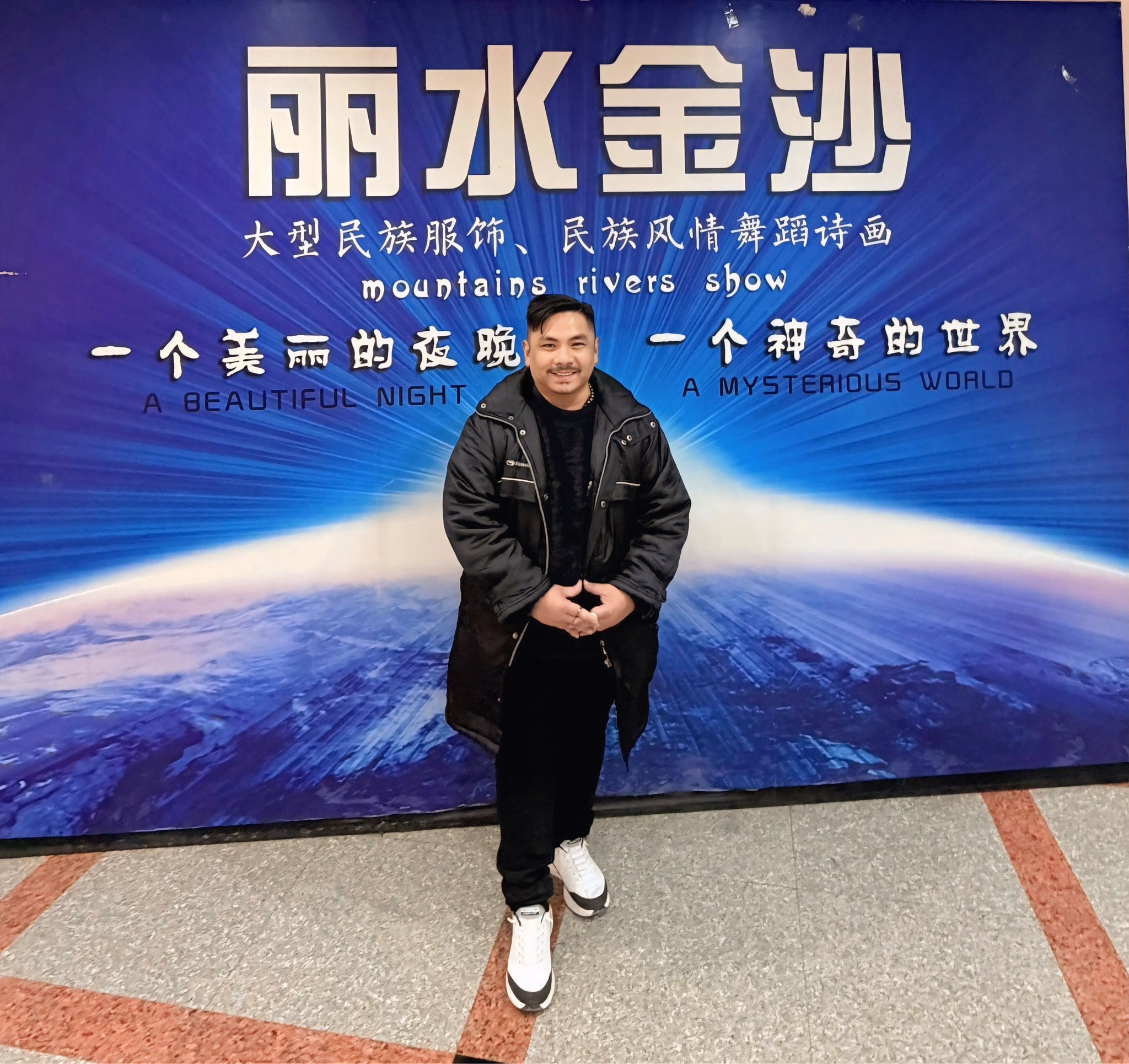
performance experience centered on Li Shui Jin Sha (Mountains and Rivers Show),
presented at the Lijiang International Ethnic Cultural Exchange Center, a space
dedicated to the preservation and exchange of ethnic cultures. The immersion
formed part of the continuing artistic and academic engagement of Erolle Linus
T. Miranda, Artistic Director of Central Mindanao Colleges Teatro Pawan, under
the Institute of Culture and the Arts headed by Director Madame Marivic
Quiambao Pascual.
Joining
Miranda were key administrators of Central Mindanao Colleges, Victor Quiambao
Jr. and Mark Gennesis B. Dela Cerna, both art patrons whose presence affirmed
institutional commitment to culture not as enrichment, but as essential
education.
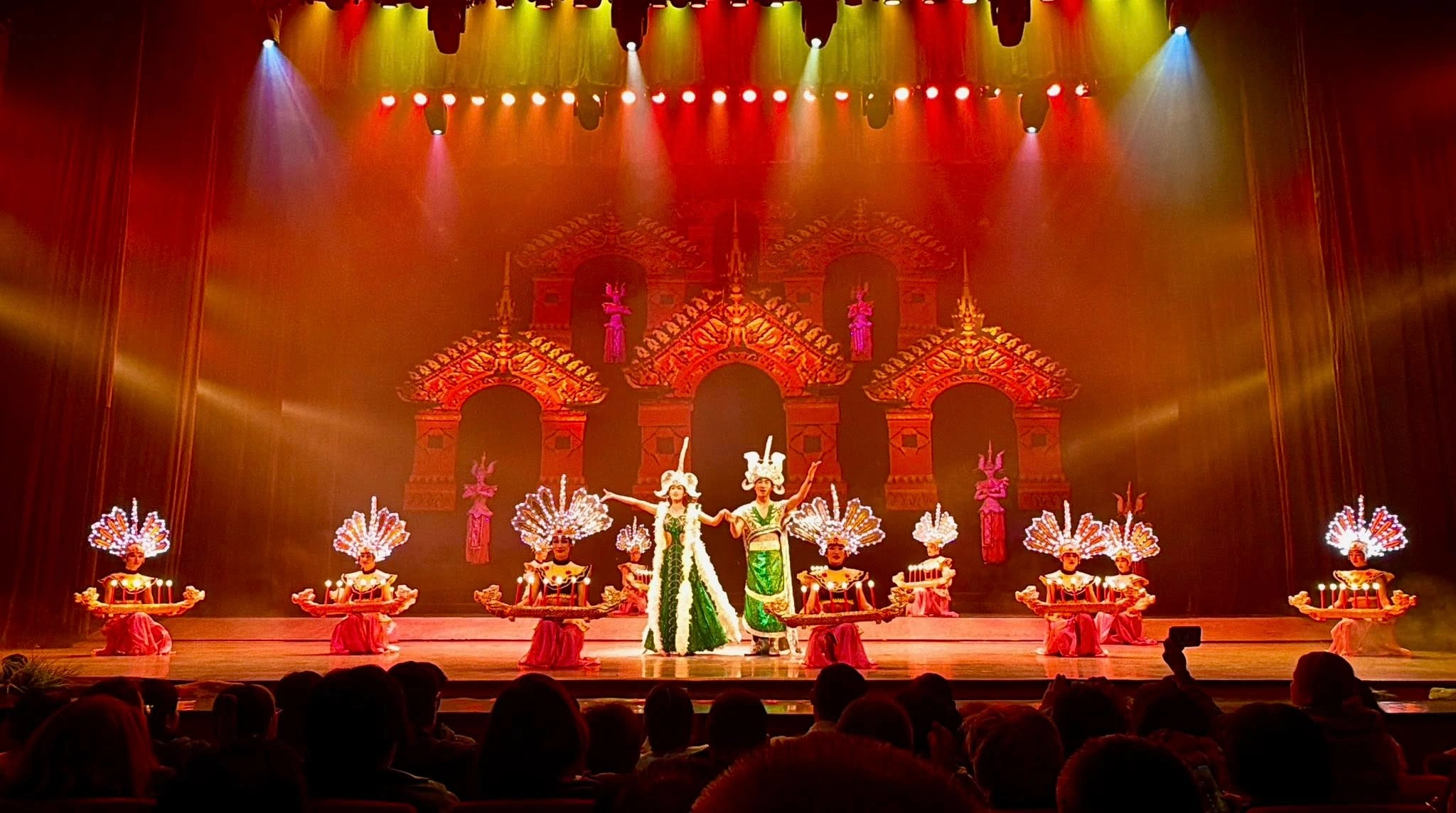
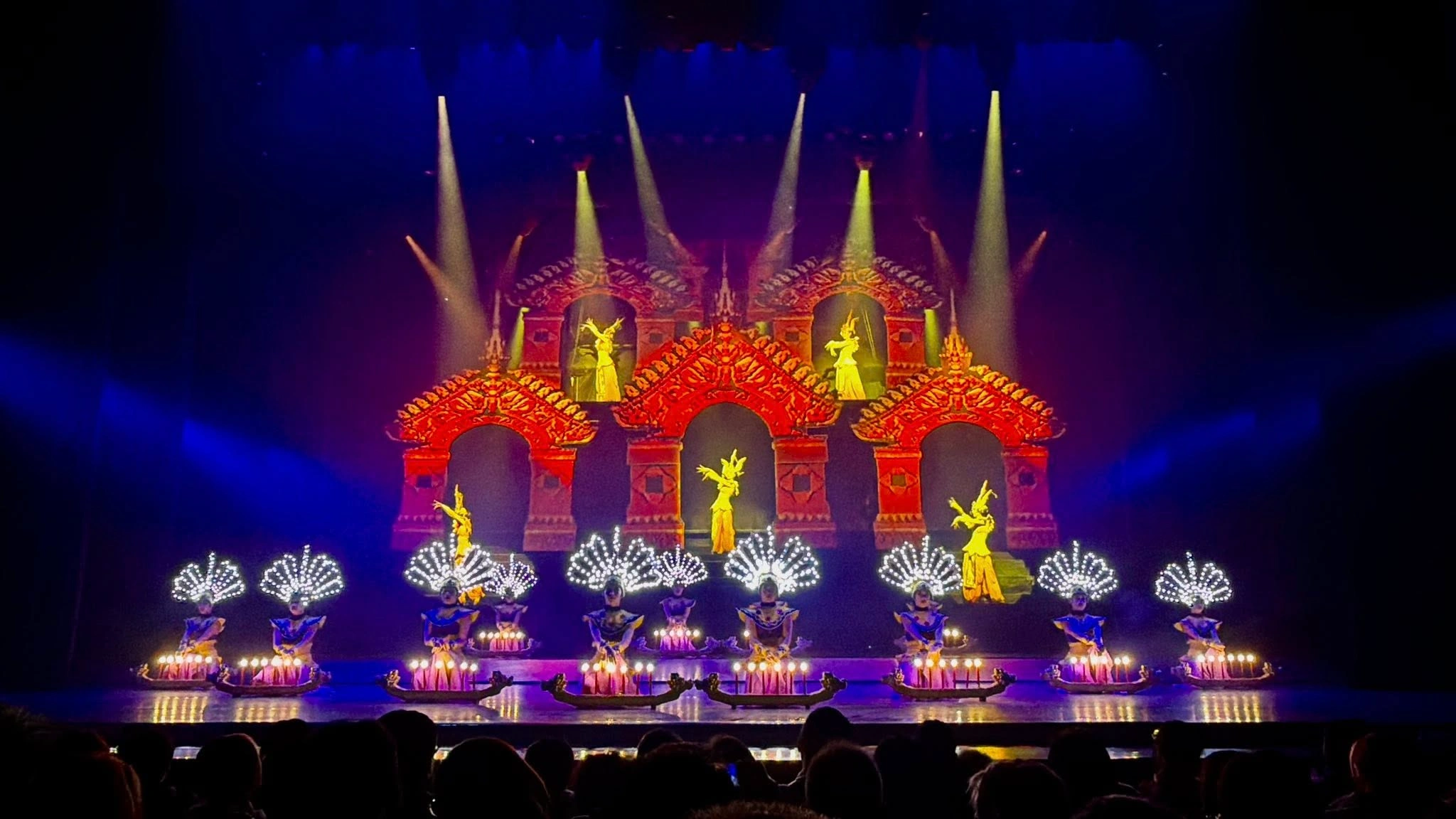
Li
Shui Jin Sha unfolded as a sequence of embodied histories drawn from the daily
life, labor, rituals, and spiritual traditions of Yunnan’s ethnic communities.
Drum-driven sections established communal rhythm and grounded physicality,
evoking work, harvest, and collective endurance. These moments emphasized
precision over excess, allowing repetition to clarify meaning rather than
amplify spectacle.
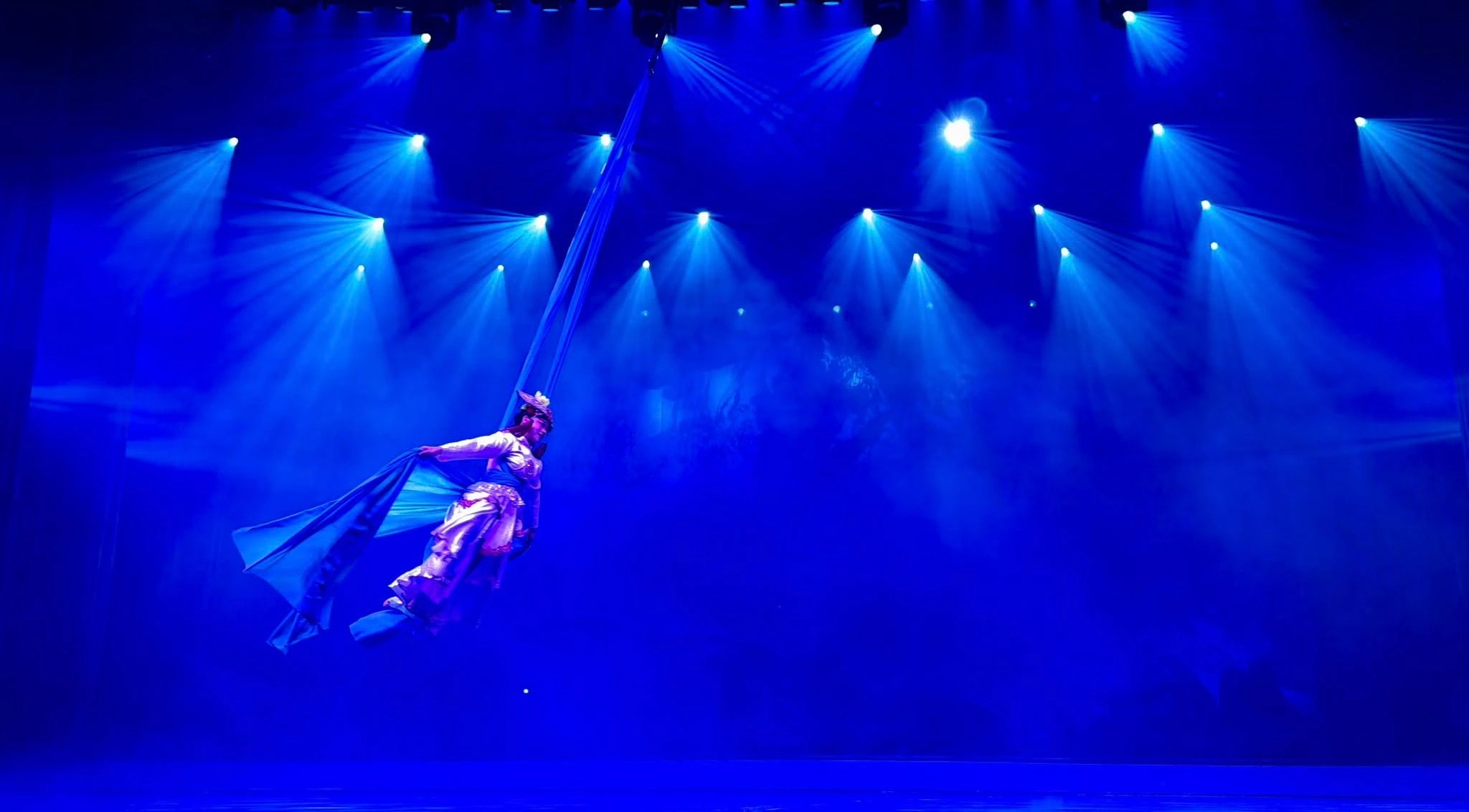
Contrasting
passages revealed restraint and lyricism. Movement softened into gestures
shaped by gravity, breath, and control, suggesting water, wind, and seasonal
transition. Costumes functioned as cultural markers rather than ornamentation,
reinforcing identity while allowing the performer’s body to remain the primary
text.
The
surrounding environment deepened the performance’s meaning. The nearby Jade
Dragon Snow Mountain formed part of the natural backdrop, offering scale,
continuity, and historical gravity. The performance did not attempt to rival
the landscape. It aligned itself with it.
For
spectators, the immersion demonstrated how environment informs performance,
with nature functioning not merely as inspiration but as an integral part of
the theatrical language. Meaning emerged through rhythm, spatial composition,
and silence rather than narrative explanation, inviting active reflection
rather than passive consumption.
Reflecting
on the experience, Director Miranda observed:
“Theater
becomes truthful when it knows where it stands. When land, culture, and people
are respected, performance does not compete with nature. It belongs to it.”
This
experience is aligned with SDG 4, SDG 11, and SDG 17 through quality arts
education, cultural preservation, and international collaboration.
As
Li Shui Jin Sha came to its close, the final image lingered not because it
demanded attention, but because it earned it. What remained was not spectacle,
but alignment. Theater rooted in place endures because it remembers where it
comes from, and in doing so, reminds us where we stand.
Publishers: News and Updates